
Cooling System Services
FULLY QUALIFIED MECHANICS - QUALITY PARTS AND BRANDS
Overheating? Leaking coolant? Lube Mobile come to you for all types of cooling system repairs.
What does it include?
-
 Convenient Onsite Service
 -
Radiator, Hoses, Heater Core and Water Pump Inspection
-
Pressure Test of Cooling System
-
Coolant Check and Replacement
-
Belt and Hose Inspection
-
Full Radiator Inspection
UPFRONT REPAIR PRICING SPECIFIC TO YOUR CAR
Book a mobile mechanic near you
Lube Mobile's easy-to-use online booking process gives you an estimate of cost upfront and shows you mobile mechanics in your area now.
Even if you aren't sure what's wrong, we do a thorough inspection on arrival and won't start work until you approve a quote specific to the needs of your vehicle.
We come to you for cooling system repairs
If your car is overheating, leaking coolant or losing pressure, Lube Mobile can fix it fast.
Don't risk driving your car to a workshop with an overheating engine. Stay there and let us come to you. We will arrive to your location with everything we need to inspect your cooling system. Then we will give you an upfront price on repairs and replacement costs of any damaged, worn or leaking parts.
After you've approved the work and we've performed the repair, with new coolant added and the entire cooling system bled, we pressure test it again and check for any further leaks or pressure drops. We also test drive the car to ensure it's ok when the vehicle is at operating temperature.
Looking for price and availability? It's easy to book online or call us to get a qualified mechanic to you fast.
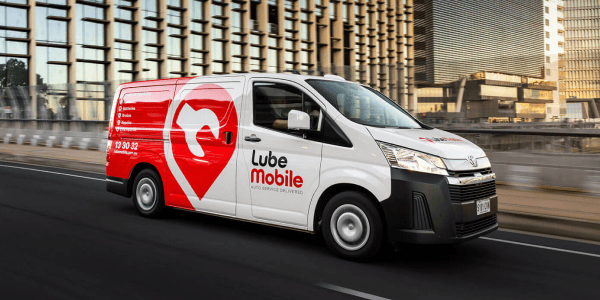
Common Cooling System Repairs
Why hire a Mobile Mechanic?
Take the hassle out of Car Repair. We come to you!
Lube Mobile is the convenient and cost-effective way to get quality car repairs done quickly. From simple maintenance and battery or parts replacement to engine repair and no-start recovery, our mobile mechanics have been delivering doorstop auto service for over 40 years.
We cover all of Sydney, Melbourne, Brisbane, Perth, Darwin, Canberra, Hobart, and Adelaide as well as many regional centres around Australia. Every Lube Mobile van is equipped with the right tools to get your job done wherever you are, no matter what make and model of car you drive..
Lube Mobile customers love the one-to-one interaction of having a qualified mechanic come to them, because it keeps them in control of cost. Plus, because we are Australia’s largest network of mobile mechanics, we can normally reach you by the same or next business day.
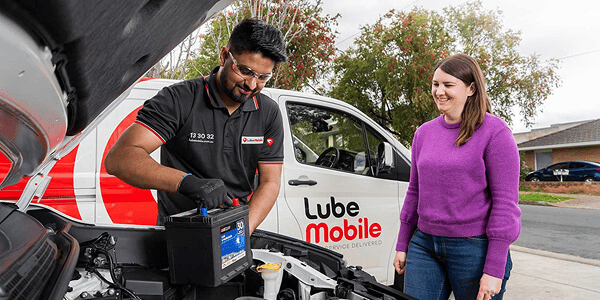
Why choose Lube Mobile for car repairs?

Convenient onsite service
Qualified mechanics that do the work at your location.

Same or next day appointments
More vans on the road means we can get to your car faster!

The highest quality parts and brands
We only use the best quality parts, oils and equipment on your vehicle.

12 month / 20,000 km warranty
We back all our work with a nationwide parts and labour warranty.
How much does cooling system repair cost?
We always strive to give you a fixed price up front and let you be in control of costs.
Once we've arrived at your location our mechanics will inspect your car's cooling system including the radiator, fans, hoses, belts, water pump, coolant level and core. We will then provide you with an itemised quote of the work required to fix it, and will not proceed without your approval.
Service and repair costs will differ based on the make and model of your car and also the part or parts which needs to be replaced or repaired. Again, every Lube Mobile mechanic will show you an itemised quote of all work required and any associated costs before commencing the work at your location. This keeps you in control of price, and helps you decide if repairing or replacing a part is the most cost-effective solution.
Not sure how to book a Lube Mobile repair?
It's easy to book a qualified mechanic who comes to you.
Tell us where you are
Type in your postcode and discover a qualified mobile mechanic near you now!
Tell us about your car
We are able to work on a wide range range of popular makes and models
Select a service
Even if you don't know what's wrong, we'll come to you, inspect your vehicle and supply a quote upfront.
Pick a time and place!
Tell us where your car is and a qualified Lube Mobile mechanic will be with you soon.
Frequently Asked Questions
Where is my cooling system and what is it?
Your cooling system is located in your car’s engine bay, typically at the front of your vehicle. It is designed to regulate your engine’s running temperature, prevent it from overheating and is made up of several parts that work together:
• Radiator – Located behind the car’s front grill, your radiator dissipates heat from the coolant.
• Coolant Reservoir (Overflow Tank) – A translucent plastic tank, usually near the radiator, where excess coolant is stored.
• Water Pump – Usually attached to the engine block and driven by a belt that is responsible for circulating coolant through the system.
• Thermostat – Normally between the engine and the radiator, your thermostat regulates the flow of coolant based on your engine’s internal temperature.
• Radiator Hoses – Large rubber hoses connecting the radiator to the engine for coolant circulation.
• Cooling Fans – Mounted on or near the radiator to help cool the coolant, especially when your car is stationary.
Regular maintenance, including timely coolant changes, inspecting hoses and belts for wear, and ensuring the radiator is free from obstructions, can help prevent cooling system problems.
How do I know I need to inspect my car’s cooling system?
Australia's hot weather climate places significant pressure on cooling systems, making regular maintenance essential to prevent overheating. Lube Mobile’s team of qualified mobile mechanics are able to perform a wide range of repairs on you car’s cooling systems.
Here are some symptoms to look out for:
• Temperature gage on the dashboard is high
• Engine is overheating
• Steam coming from the bonnet
• A musty/sweet smell coming from the car
• Engine coolant level is low
• Fuel efficiency has dropped
• You notice a coolant leak (bright coloured liquid) under your car
If you notice any of the above symptoms, book a routine service or repair today. We'll come to you, diagnose your car's problem and give you an itemised quote before we do any work.
What is inside a car radiator and how does it work?
A car radiator is a crucial part of the engine cooling system. Its job is simple but essential: keep the engine at the correct operating temperature and prevent overheating. Knowing what’s inside a radiator and how it works makes it easier to spot cooling system problems early.
What’s Inside a Radiator?
Coolant (Antifreeze + Water Mix)
The coolant circulates through the radiator and engine. It absorbs heat from the engine and releases it through the radiator’s cooling fins.
Tubes and Cooling
Fins Hot coolant flows through thin metal tubes. Attached fins increase surface area, helping heat escape quickly as air passes over them.
Plastic or Metal Tanks
Located on the sides or top/bottom of the radiator, these tanks hold coolant as it enters and exits the radiator core.
Pressure Cap
The radiator cap keeps the cooling system pressurised, allowing coolant to operate at higher temperatures without boiling.
Built‑In Transmission Cooler (Some Vehicles)
Many automatic cars include a small heat exchanger inside the radiator to help cool transmission fluid.
How Does a Radiator Work?
1. Coolant Absorbs Engine Heat As the engine runs, coolant moves through the engine block, picking up heat.
2. Hot Coolant Enters the Radiator The water pump pushes heated coolant into the radiator’s narrow tubes.
3. Airflow Removes Heat Airflow—either from driving or the electric cooling fan—passes over the fins, pulling heat away from the coolant.
4. Cooled Coolant Returns to the Engine Once cooled, the coolant flows back into the engine to repeat the cycle.
5. Thermostat Regulates Temperature The thermostat opens and closes to maintain the engine’s ideal operating temperature.
Need Help With Your Cooling System?
If your car is overheating, losing coolant, or running hotter than normal, Lube Mobile’s mobile mechanics can diagnose and repair cooling system issues at your home or workplace, saving you the hassle of a workshop visit.
How often should I check my coolant levels?
It's advisable to inspect coolant levels regularly, ideally every few weeks, and before long trips. Always check when the engine is cold to ensure accurate readings.
Regularly changing your car’s radiator coolant protects the cooling system from rust and scale deposits, which can reduce coolant circulation and lead to overheating.
While water can be used in emergencies, it's not recommended for long-term use. Coolant contains additives that prevent corrosion and raise the boiling point, offering better protection for your engine.
Need a mobile mechanic?
Book a mobile service or mobile repair today. Every van is equipped to deal with a wide range of issues and all our work is backed by Lube Mobile's 12 month / 20,000km warranty on parts and labour.
What coolant is best for my car?
The best coolant for your car depends on the vehicle’s make, model, and cooling system design. Choosing the correct coolant protects your engine from overheating, corrosion, and premature wear, so using the right type is essential.
1. Follow the Manufacturer’s Recommendation
Your owner’s manual lists the exact coolant type your engine requires. Modern engines are engineered to work with specific formulations, so this is always the safest and most reliable choice.
2. Know the Main Types of Coolant
Green Coolant (IAT – Inorganic Additive Technology)
• Common in older vehicles
• Requires more frequent replacement
Red / Pink Coolant (OAT – Organic Acid Technology)
• Used in many modern cars
• Long‑life formula designed for aluminium engines
Blue / Hybrid Coolant (HOAT or P‑HOAT)
• Often used in European and some Asian vehicles
• Offers extended life and strong corrosion protection
3. Don’t Mix Coolant Types
Mixing coolant types can cause sludge, corrosion, or reduced cooling performance. If you’re unsure what’s currently in your system, a full coolant flush is recommended before adding new coolant.
4. Consider Your Driving Conditions
Hot climates, towing, heavy loads, and stop‑start city driving all increase engine heat. In these situations, using a high‑quality coolant that meets your vehicle’s exact specifications becomes even more important.
Not Sure Which Coolant Your Car Needs?
Lube Mobile’s mobile mechanics can identify the correct coolant for your vehicle and top it up or replace it on‑site at your home or workplace. If you need help choosing the right coolant or booking a service, they can take care of everything wherever you are.
What is a coolant flush?
A cooling system flush involves removing old coolant and contaminants from the system and replacing it with fresh coolant. This service helps maintain optimal engine temperature and prevents corrosion.
Overheating despite adequate coolant levels can result from issues like a malfunctioning thermostat, blocked radiator, failing water pump, or air trapped in the cooling system.
